 Türkçe
 English
 Français
 Русский
 中文 (中国)

Turkish Citizenship by Investment: Requirements and Document Checklist (2026)
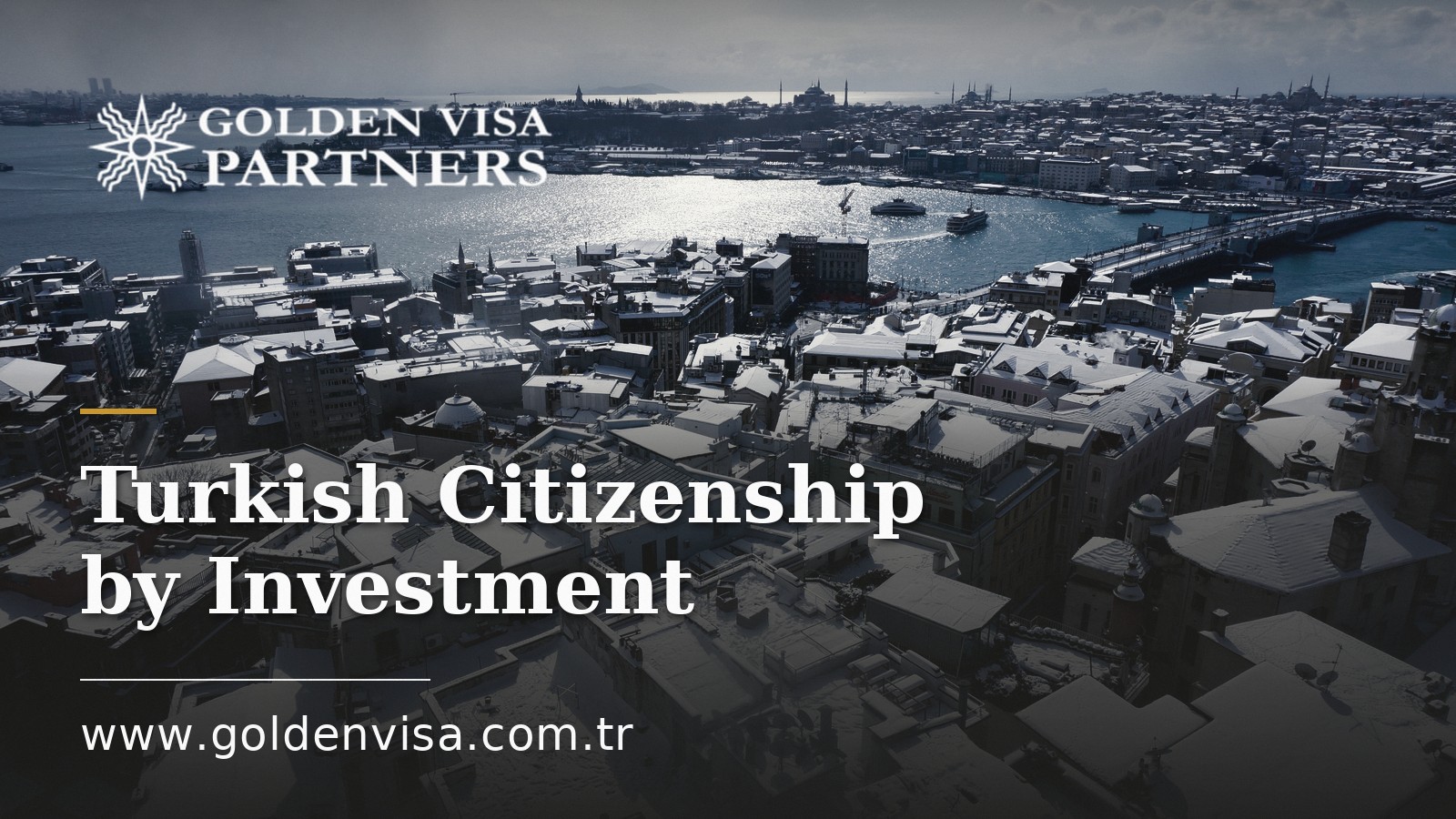
Turkish citizenship by investment requirements, as of 2026, come down to meeting one of a handful of investment routes set out in law and committing to hold that investment for a set period. The most common route is buying at least 400,000 US dollars of real estate and accepting a three-year no-sale annotation on the title deed. This article sets out the thresholds, the step-by-step process, and the full document checklist an application actually needs, drawn from the details a consultancy sees in real file reviews.
At Golden Visa Partners, we have guided more than 2,000 citizenship and residence clients from over 40 countries since 2018, independently and without ties to any one country, through a single senior point of contact. The information below reflects that experience, though every file is unique.
Turkish citizenship by investment requirements: what you need to qualify
Turkish citizenship by investment requirements rest on the exceptional path to Turkish citizenship under Article 12 of the Turkish Citizenship Law: the applicant completes one of the investment types listed in the regulation, and citizenship is then granted by presidential decree on the proposal of the Ministry of Interior. Whether the investment is real estate or capital, you need to meet the set minimum amount and generally hold it for three years.
The programme also covers the applicant's spouse and children under 18, so a single investment lets the core family apply together. Turkey permits dual citizenship, so most applicants do not have to give up their existing nationality, though you should separately confirm your own country's rule on this. For the official framework, see the Presidency of Migration Management's page on acquiring Turkish citizenship.
For the general logic of citizenship by investment and how it compares with other countries, see our Turkey citizenship by investment programme page. If you are weighing which of Turkey's routes fits your situation, our comparison of all seven Turkish citizenship by investment routes helps narrow it down.
Benefits of Turkish citizenship and who it suits
Turkish citizenship by investment suits investors looking for mobility, a “plan B”, and a way to bring their core family along in a single file. Perhaps the most discussed feature of the programme is that it carries no mandatory physical residence, language exam, or interview requirement, so the process can be completed without living in Turkey.
As of writing, a Turkish passport allows visa-free or visa-on-arrival travel to over 100 countries and territories; we recommend confirming the current list before applying. Because of the trade agreement between Turkey and the United States, Turkish citizens who meet the conditions can also apply for the US E-2 investor visa, which for many applicants is one of the strongest indirect benefits of Turkish citizenship.
Investment options and threshold amounts
Turkey offers several routes to citizenship by investment, and as of 2026 most sit at a 500,000 US dollar threshold, while the $400,000 real estate investment remains the most common entry point. The table below summarises the main options and their holding conditions. Amounts are current as of writing and change often, so confirm the current threshold with an advisor before applying.
| Investment type | Minimum amount (approx.) | Holding period |
|---|---|---|
| Real estate purchase | 400,000 USD | 3-year no-sale annotation |
| Fixed capital investment | 500,000 USD | Ministry approval |
| Bank deposit | 500,000 USD | 3-year lock-up |
| Government debt instruments | 500,000 USD | 3-year holding period |
| Real estate or venture capital investment fund share | 500,000 USD | 3-year holding period |
| Job creation | Employing 50 people | Ministry of Labour and Social Security approval |
If you are weighing lower-budget alternatives, our article on the cheapest citizenship by investment and golden visa programmes covers Caribbean and other options outside Turkey.
Citizenship by real estate investment: the most common route
Citizenship by real estate investment in Turkey is the route most applicants choose, since the investment becomes an asset you can use yourself or rent out. As of 2026 the minimum threshold is 400,000 US dollars, meaning a 400,000 dollar property purchase is the entry point for this route, and that amount must be documented by an official valuation report prepared by an expert authorised by the Ministry of Environment, Urbanisation and Climate Change.
Since 2022, payment for the property must go through a Turkish bank, with the foreign currency converted and a Foreign Exchange Purchase Certificate (DAB) issued; this document is an integral part of the file and is the step most buyers overlook. The valuation report is, in practice, the item that most often delays a file: it must be current, consistent with the sale price, and the exchange rate calculation must be correct.
At the title transfer, a three-year no-sale annotation is recorded against the property, and selling before that period ends puts the citizenship status at risk. For the official valuation and title process, we recommend working from the Ministry of Environment, Urbanisation and Climate Change's list of authorised appraisers.
Costs beyond the investment
Beyond the threshold amount, a handful of additional cost items arise during the application, and budgeting for them up front avoids surprise delays. On the real estate route, the main items are the title deed fee, the valuation report fee, sworn translation and notary costs, and application and advisory fees.
These amounts vary with the property's value and the size of the file, and they are updated from time to time, so we recommend confirming current fee rates with an advisor for a firm total. For a line-by-line breakdown, see our guide on buying property for residency or citizenship, which covers what actually works and what it costs.
Documents required for the application: checklist
The documents requested for a Turkish citizenship by investment application fall into three groups: identity, investment, and eligibility. The Turkish citizenship document checklist varies slightly from file to file, but the core documents are:
- A notarised Turkish translation of a valid passport, plus passport copies for every family member.
- Birth certificate and, if applicable, marriage certificate (apostilled or consular-certified, with Turkish translation).
- Criminal record certificate and an identity declaration form.
- Documents proving the investment: title deed and valuation report, or a bank lock-up letter, fund share certificate, or capital investment approval.
- On the real estate route, the Foreign Exchange Purchase Certificate (DAB) showing payment went through a bank, plus bank receipts.
- An eligibility certificate from the relevant ministry or authority confirming the investment qualifies (for example, from the Land Registry and Cadastre for real estate, or a bank letter under BRSA supervision for deposits).
- Biometric photographs, valid health insurance in Turkey, and an address declaration.
- Documents showing the source of funds (bank statements, sale contracts, income declarations).
It is critical that every document coming from abroad carries a complete apostille or consular certification and sworn translation; a single missing certification can get the whole file rejected outright. Keeping documents' validity dates close to the application date avoids one of the most common delays in practice.
Application process and stages
The Turkish citizenship by investment process generally moves through four stages from completing the investment to the citizenship decision, and most files run from a few months to over half a year in total. Timelines vary with caseload and missing documents, so no specific number of days can be promised.
In the first stage, the investment is completed and the eligibility certificate above is obtained. In the second stage, the investor is issued a short-term residence permit. In the third stage, the citizenship application is submitted to the General Directorate of Population and Citizenship Affairs and the file is reviewed. In the final stage, citizenship is granted by presidential decree on the Ministry of Interior's proposal, and an ID card and passport are issued. For the official procedure, we recommend following the guidance published by the General Directorate of Population and Citizenship Affairs.
Points to watch and risks
In Turkish citizenship by investment, the real risks lie not in the amount but in eligibility and document detail. A valuation report that comes in under the threshold, funds whose source cannot be adequately documented, or a breach of the three-year holding condition are the most common problems. Selling the property or withdrawing the investment before the three years are up can put the granted citizenship status at risk of being revoked.
Currency fluctuation deserves particular attention on the real estate route: the exchange rate difference between the valuation date and the payment date can affect whether the dollar threshold is actually met. Turkish citizenship also does not automatically create tax residency; your tax residence depends on actual residence and day-count rules, so you should separately review your own country's dual citizenship and tax rules. Our article on buying property for Turkish citizenship as a foreign buyer covers more of the practical detail behind this route.
If you would like to discuss your file's strengths and weaknesses before applying, you can contact us for a free initial consultation. As an independent consultancy, we point you toward the option that genuinely fits your budget and goals, not toward a particular developer or project.
Frequently Asked Questions
What is the minimum amount for Turkish citizenship through real estate?
As of 2026, the minimum amount for Turkish citizenship through real estate is 400,000 US dollars, and the property must be documented by an official valuation report prepared by an authorised expert. A three-year no-sale annotation must be recorded on the title deed. This amount can change, so confirm the current threshold with an advisor before applying.
Which documents are requested for a Turkish citizenship application?
The Turkish citizenship document checklist generally includes a passport, birth and marriage certificates, a criminal record certificate, title deed or bank documents proving the investment, an eligibility certificate, biometric photographs, and documents showing the source of funds. Documents from abroad require apostille or consular certification and sworn translation.
Do I need to live in Turkey for Turkish citizenship?
No, Turkish citizenship by investment carries no mandatory physical residence, language exam, or interview requirement, and the process can be completed without living in Turkey. Tax residency is a separate matter, however, and depends on actual residence and the number of days you spend in Turkey during the year.
How long does the citizenship application take?
The timeline varies depending on how complete the file is and how busy the authorities are; it generally runs from a few months to over half a year. Missing documents are the most common cause of delay, so no specific number of days can be promised.
Will I lose my current citizenship if I become Turkish?
Turkey permits dual citizenship, so the Turkish side does not require you to give up your current nationality. However, some countries restrict holding a second citizenship, so you should separately confirm your own country's rule.
Can my spouse and children become citizens through the same application?
Yes, the programme covers the applicant's spouse and children under 18, so a single investment lets the core family apply together. Separate identity and eligibility documents are submitted for each family member.
Disclaimer: This article is for general information only and does not constitute legal, tax, immigration, or investment advice. Programmes and amounts can change; confirm current details and your personal eligibility with a qualified advisor before taking action.
Disclaimer: Golden Visa Partners is an investment and immigration advisory firm; it does not provide legal or attorney services. The investment amounts, timelines and program conditions on this page are for general guidance only and, because regulations change quickly, may be out of date. Before making any decision, we recommend consulting current official sources and obtaining independent legal and financial advice.
Contact Us
We provide clients with end-to-end citizenship, residence permit and investment advisory worldwide.